
Keloid Scar Treatment in Orchard Singapore
Multimodal Approach
Understanding keloids, why they recur, and how targeted treatments may help flatten scars, reduce redness and improve skin comfort.
Keloid scars can be particularly frustrating. What begins as a small pimple, piercing, surgical incision or minor skin injury may gradually develop into a thick, raised scar that continues to grow beyond the original wound.
Unlike ordinary scars, keloids do not always settle naturally. They may become red, itchy, painful, firm or progressively larger, sometimes months or even years after the skin has healed.
At Emberwood Aesthetics in Orchard, Singapore, we take a multimodal approach to keloid scar management, recognising that keloids involve more than excess collagen alone.
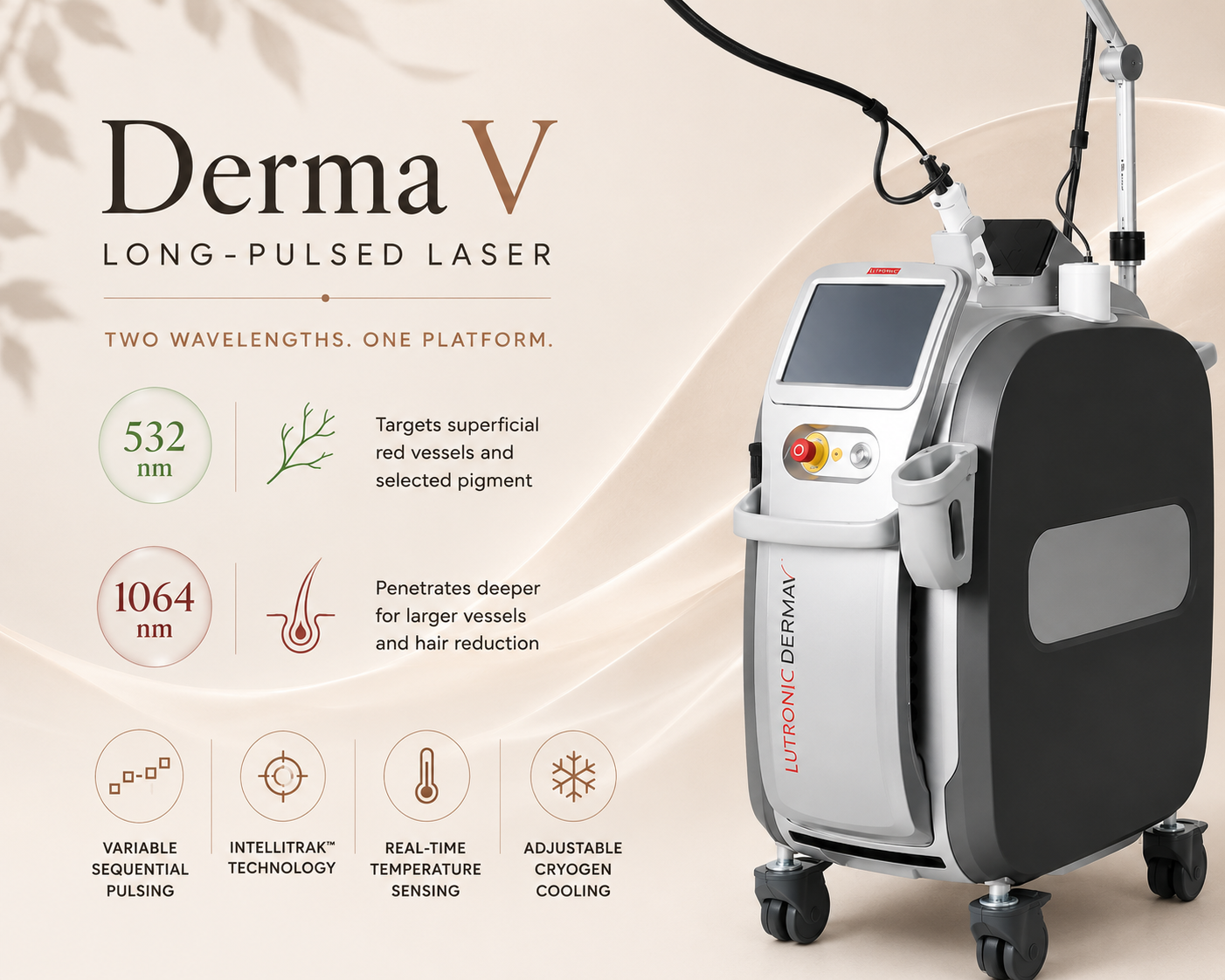
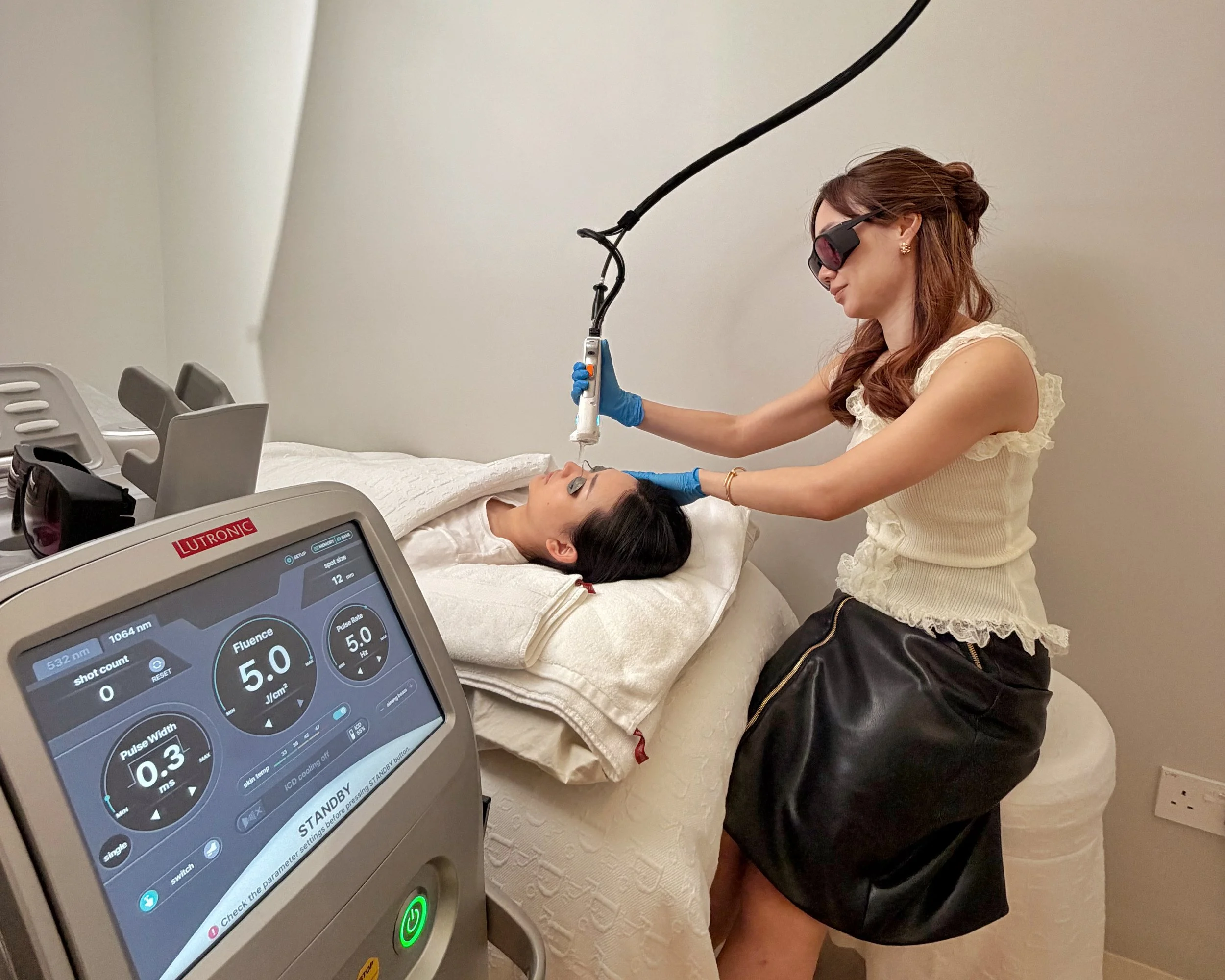
Our treatment considerations include intralesional corticosteroid injections, Derma V vascular laser treatment, and selected adjunctive therapies, alongside ongoing scar care and monitoring.
The aim is not simply to flatten the visible scar, but to address the underlying processes that contribute to its persistence and recurrence.
What Is a Keloid Scar?
A keloid is a type of abnormal scar caused by an exaggerated wound-healing response.
Normally, the body produces collagen to repair damaged skin. Once healing is complete, collagen production gradually slows and the scar remodels over time.
In keloid-prone skin, this process becomes dysregulated.
Specialised cells called fibroblasts, which are responsible for producing collagen and other components of the skin's supporting structure, remain excessively active.
This can result in:
Excessive collagen deposition and thickened scar tissue
Persistent inflammation within the skin
Abnormal blood-vessel development and circulation
Increased sensitivity to mechanical tension or stretching
Continued scar growth beyond the original wound
Keloids commonly develop on the chest, shoulders, upper back, jawline and earlobes, although they can occur elsewhere.
They are more common in individuals with a genetic predisposition and in people with darker skin phototypes.
Keloid vs Hypertrophic Scar: What's the Difference?
Although both conditions involve raised scars, they behave differently.
Hypertrophic scars remain within the boundaries of the original wound and may gradually flatten over time.
Keloid scars extend beyond the original injury and are more likely to persist, enlarge or recur after treatment.
This distinction matters because keloids generally require a more cautious, long-term treatment strategy.
IWhy Are Keloids So Difficult to Treat?
Keloids are not simply scars with too much collagen. They involve several interconnected biological processes that can reinforce one another.
1. Excessive fibroblast activity
Fibroblasts are the cells responsible for producing collagen and the extracellular matrix, which forms the structural framework of the skin.
In keloids, these cells respond abnormally to wound-healing signals and may continue producing scar tissue long after the original injury has healed.
2. Persistent inflammation
Inflammatory signals, including transforming growth factor-beta (TGF-β), contribute to excessive collagen production and abnormal scar remodelling.
This persistent inflammation may explain why some keloids remain itchy, painful, red or actively growing.
3. The blood-vessel paradox: How can a keloid have too many blood vessels but too little oxygen?
One of the more interesting aspects of keloid biology is its paradoxical vascular pathology.
Keloids may contain areas of increased blood-vessel activity, particularly around their more active edges. Yet parts of the dense scar, especially centrally, can experience relatively poor oxygen delivery.
In simpler terms, a keloid can have abnormal or excessive blood-vessel growth without having efficient blood circulation throughout the scar.
The dense collagen can interfere with normal microcirculation, while abnormal blood-vessel signalling may sustain inflammation.
Low-oxygen conditions, known as hypoxia, may further stimulate pathways associated with fibrosis.
This helps explain why vascular changes and collagen overproduction can coexist within the same keloid.
It also provides a biological rationale for considering vascular laser treatments as one component of scar management, although vascular laser treatment alone does not correct every underlying process.
4. Mechanical tension and stretching
Skin is constantly subjected to movement and stretching.
Areas such as the chest, shoulders and jawline experience repeated mechanical tension, which can stimulate fibroblasts and contribute to abnormal scar formation.
This is one reason keloids are particularly common in high-tension areas.
Emerging treatments are exploring how reducing mechanical signalling may help improve scar behaviour.
Surgical Excision Combined With Radiotherapy
For selected difficult or recurrent keloids, surgical excision may be combined with postoperative radiotherapy.
Radiotherapy targets actively proliferating cells in the wound area to reduce the risk of excessive scar formation.
Studies suggest that combining excision with radiotherapy can substantially reduce recurrence compared with surgery alone.
Nevertheless, this approach has important considerations:
Exposure to ionising radiation, including a theoretical long-term cancer risk
Possible pigmentation changes, delayed healing or skin atrophy
The need for coordination between surgical and radiation oncology teams
Greater cost, complexity and treatment burden
Persistent risk of recurrence despite treatment
Special caution for younger patients, pregnancy and treatment sites near radiosensitive organs
Surgery with radiotherapy is therefore generally reserved for appropriately selected cases following specialist assessment.
Other Treatments for Resistant Keloids
For scars that do not respond adequately to conventional treatment, other options may be considered by appropriately trained specialists.
Intralesional 5-fluorouracil (5-FU)
5-FU is an antiproliferative medication that can reduce fibroblast activity.
It is sometimes combined with corticosteroid injections to improve outcomes in resistant keloids.
Recent comparative studies suggest that triamcinolone combined with 5-FU may provide better results than triamcinolone alone.
Potential disadvantages include injection pain, ulceration, pigmentation changes and other local adverse effects.
Cryotherapy
Cryotherapy uses controlled freezing to damage scar tissue and may be useful for selected smaller or nodular keloids.
However, pigmentation changes, blistering and discomfort can occur, particularly in darker skin.
Fractional laser treatment
Fractional ablative lasers may be used in selected scar-management protocols, including laser-assisted delivery of topical medications.
However, excessive thermal injury can worsen scarring in susceptible individuals, so treatment selection is important.
Keloid Aftercare: Preventing Recurrence Is Part of Treatment
Even after a keloid becomes flatter and less symptomatic, recurrence remains possible.
Long-term scar care is therefore an important part of management.
Silicone Gel and Silicone Sheets
Silicone-based scar products are commonly used to support scar management.
They help maintain a hydrated environment over healed skin and may influence aspects of scar maturation.
Silicone gel is convenient for irregular areas, while silicone sheets provide more sustained coverage when worn consistently.
They are generally started only once the wound has fully closed and the skin surface is intact.
Silicone products are commonly recommended for several months, depending on the scar and individual response.
Although widely used as an adjunct, evidence for silicone alone reliably flattening established keloids remains limited.
Scar Tape and Mechanical Tension Reduction
Scar tape may help support the surrounding skin and reduce mechanical strain across a healing incision.
This can be particularly relevant for areas such as the chest or shoulders, where movement creates repeated tension.
Medical silicone tape may provide both surface coverage and gentle support.
However, adhesive irritation, skin stripping and excessive traction should be avoided.
Other Helpful Aftercare Measures
Avoid unnecessary trauma, scratching or friction over the scar.
Protect exposed scars from ultraviolet radiation to reduce unwanted pigmentation.
Monitor for early thickening, increasing itch or renewed redness.
Attend follow-up reviews even after visible improvement.
Seek early medical advice if a previously stable scar begins growing again.
For individuals with a history of keloids, prevention is particularly important before elective piercings, tattoos or surgical procedures.
How Many Sessions Are Needed for Keloid Treatment?
There is no single treatment schedule suitable for every keloid.
Smaller, newer and more active scars may respond differently from older, thicker or previously treated keloids.
A typical management plan may involve repeated corticosteroid injections at intervals of approximately three to six weeks, with vascular laser sessions or other adjunctive treatments considered according to the scar's response.
Some patients notice improvements in itching or softness before significant flattening becomes apparent.
Treatment may extend over several months, followed by monitoring and maintenance where appropriate.
The goal is meaningful improvement in scar thickness, redness, symptoms and appearance while minimising treatment-related complications.
Frequently Asked Questions
about Keloid Treatment in Singapore
-
Some keloids can become substantially flatter and less noticeable with treatment, but complete disappearance is not guaranteed. Even after a good response, recurrence remains possible.
-
Intralesional corticosteroid injections remain one of the most established first-line treatments. Other therapies may be added depending on the scar's thickness, redness, location and previous response.
-
Vascular laser treatment may improve redness and certain aspects of scar appearance, but it does not reliably remove the entire keloid. Thick scars often require additional treatment.
-
Some discomfort can occur because keloid tissue is often firm and sensitive. The level of discomfort varies with the scar's location, thickness and injection technique.
-
Yes. Keloids have a significant tendency to recur, even after successful flattening. Follow-up and ongoing scar management are important.
-
Botulinum toxin is being studied for its potential effects on mechanical tension, fibroblast activity and scar quality. Early research is promising, but it remains an emerging adjunct rather than an established replacement for conventional treatments.
-
Silicone gels and sheets are commonly recommended as supportive scar care, particularly for prevention and aftercare. However, evidence for their effectiveness as a stand-alone treatment for established keloids is uncertain.
-
Yes. Keloids on the chest and shoulders may be treated, although these areas experience significant skin tension and can be particularly prone to recurrence.
-
Keloids are benign scars and are not cancerous. However, they can cause itching, pain, discomfort, cosmetic concerns or restriction of movement. Any rapidly changing or atypical skin growth should be medically assessed rather than assumed to be a keloid.
-
Avoid unnecessary skin trauma if you are keloid-prone. Following wound closure, appropriate silicone-based scar care, tension reduction and early review of suspicious scar thickening may be helpful.
Discuss keloid scar treatment at Emberwood Aesthetics
Keloid treatment requires more than choosing between a laser and an injection.
Understanding why a scar is growing, which biological processes are contributing to its appearance, and how to reduce the risk of recurrence are equally important.
At Emberwood Aesthetics, we assess keloid scars individually and consider a multimodal treatment strategy that may include intralesional corticosteroids, Derma V vascular laser treatment, selected adjunctive therapies and long-term scar care.
Our aim is to help patients achieve softer, flatter, less symptomatic scars through thoughtful, evidence-informed treatment.
Visit Emberwood Aesthetics at LANDMARK, Orchard, Singapore, to arrange a medical consultation for your keloid scar concerns.